In the modern world, the question of birth control and family planning is rather keen. That is why the market of contraceptives is so divergent. There are remedies for males and females, one-time use and those that can prevent pregnancy for a few years, hormonal and hormones free. The choice of remedies for birth prevention is individual and depends on a range of factors. It is always recommended to choose the pregnancy prevention method together with a gynecologist in accordance with the health condition, age, list of indications and contraindications, if any, and individual preferences of the patient.
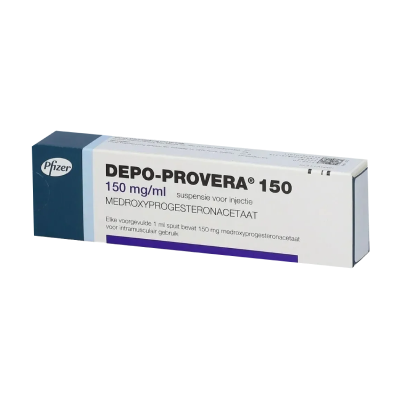
DKdermal has gathered the best OB-GYN products for contraception from the world’s most popular manufacturers with a long-term pregnancy prevention effect. On our website dkdermal.com, you can purchase Jaydess (Skyla), Mirena 1 IUD, Mirena 1 IUD Turkish Package, Nexplanon, and TT 380 Slimline IUD at the best prices on the market.
DKdermal is an international supplier where you can buy OB-GYN products at the most beneficial and attractive prices. On our website dkdermal.com, we offer the following brands:
To place an order, please visit our website dkdermal.com, add the selected products to the cart (we also distribute dermal fillers, botulinum toxin, and mesotherapy products), and proceed with filling in your shipping and billing information.
If you have any questions or suggestions, please, do not hesitate to contact our team, and we will gladly help you out. Our sales managers and customer support representatives are looking forward to hearing from you Monday-Friday 10 AM-6 PM EST.
When we talk about obstetrics and gynecology (OB-GYN) products, we mean a wide range of remedies elaborated for the purpose of birth control, meaning prevention of unwanted pregnancy. Among the most popular are male and female condoms, pills, contraceptive injections, patches, vaginal rings, contraceptive implants, hormonal intrauterine systems, intrauterine devices, diaphragms, and contraceptive caps.
“The choice of remedies for birth prevention is individual and depends on a range of factors. It is always recommended to choose the pregnancy prevention method together with a gynecologist in accordance with the health condition, age, list of indications and contraindications.”
Among these remedies, there are those that act as a physical barrier, preventing the sperm from getting inside the vagina (condoms, vaginal ring, diaphragms, and rings), and those which action is based on hormones. The great benefit of the first category is their ability to protect not just from unwanted pregnancy but sexually transmitted diseases as well.
The second category provides a long-lasting effect of pregnancy prevention at any time the woman decides to have sex. At the same time, it does not affect the quality of sex.
DKdermal as a professional supplier of aesthetic cosmetic and dermatology medicines, and contraceptives as well, offers the most effective and in-demand birth control remedies – hormonal IUD and subcutaneous implants. Why do clients choose these methods over the others? The answer is in their comfort as they are inserted inside the body (uterus or the upper arm), and the patient feels it neither in ordinary life nor when having sex, and the long duration of the contraction effect (from six months even to a few years).
| Brand Name | Type | Active Substance | Duration | Effectiveness |
|---|---|---|---|---|
| Jaydess (Skyla) | Hormonal IUD | Levonorgestrel | Up to 3 years | 99% |
| Mirena | Hormonal IUD | Levonorgestrel | Up to 5 years | 99% |
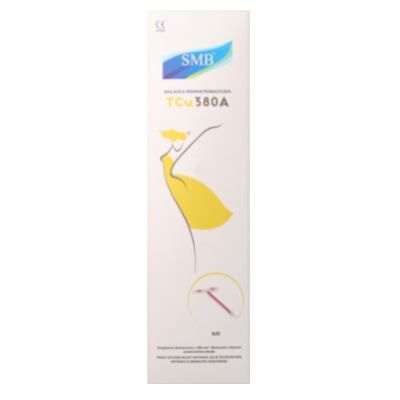
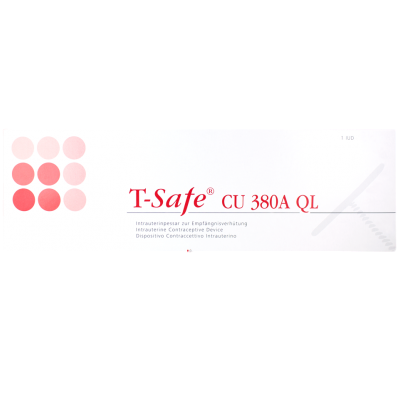
| TT 380 Slimline | Copper IUD | Copper | Up to 10 years | 99% |
| Nexplanon | Subcutaneous Implant | Progestin | Up to 5 years | 99% |
These brands have proven their safety and excellent pregnancy prevention effect in more than 100 countries and created possibilities for planned parenthood without sacrifices for sexual life for thousands of couples around the globe.
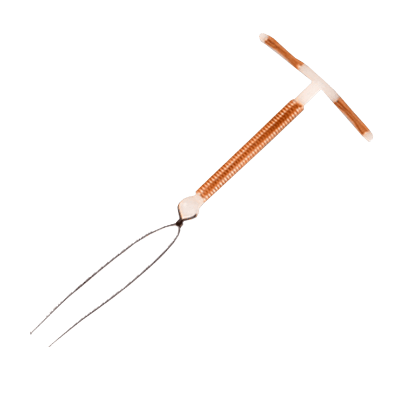
Copper and hormonal IUDs are small T-shaped plastic devices with either hormones or cooper as an active substance with 99% of efficiency in birth control. Although there are several types of IUDs on the modern market, comfort and long-lasting action are two factors that unite them all. That is why so many women worldwide choose the intrauterine device as their main contraceptive. The procedure of insertion of the device, as well as its removal, can only be performed by a trained doctor after a careful medical examination of the patient. Their greatest benefit is a long-lasting effect from 5 to even 10 years. However, the intrauterine device (IUD) can be removed per the patient’s request at any time.
“Comfort and long-lasting action are two factors that unite all IUDs, which is why so many women worldwide choose the intrauterine device as their main contraceptive.”
Having similar physical and technical characteristics, devices IUDs possess very close side effects and contraindications.
| Category | Side Effects |
|---|---|
| Physical Discomfort | Headache, abdominal/pelvic pain, migraine, painful menstruation, breast pain/discomfort |
| Menstrual Changes | Increased and decreased menstrual bleeding, spotting, infrequent periods, absence of bleeding |
| Skin Related | Acne/greasy skin, hair loss |
| Psychological | Depressed mood/depression, decreased libido |
| Infections & Complications | Ovarian cyst, vulvovaginitis, upper genital tract infection, device expulsion, genital discharge |
| Other | Feeling sick (nausea), increased weight |
Also, there is a list of conditions to take care of before inserting IUDs:
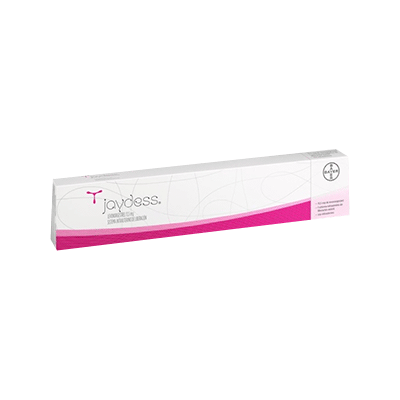
Jaydess or also known as Skyla, is a low-dose levonorgestrel hormone-releasing intrauterine system inserted inside the womb. Its preventing pregnancy effect, like in all hormonal IUDs, lies in the principle of the daily release of a small amount of a hormone (in this case, it is levonorgestrel) that reduces the monthly growth of the lining of the womb and thickening the cervical mucus. The effect can be preserved for up to three years.
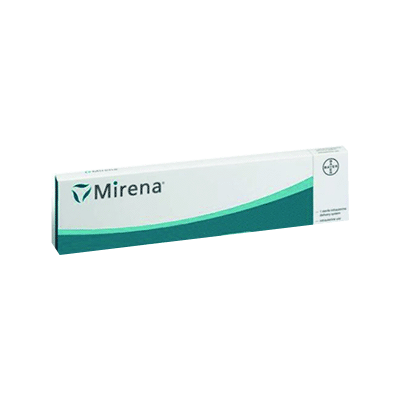
Mirena is another brand of hormonal IUD device from Bayer manufacturer based on levonorgestrel with local action what allows the remedy being extremely effective with a minimal dose of hormone release. A small T-shaped device is placed inside the womb and can remain there for up to five years. At the same time, this contraceptive does not harm the reproductive system of a woman, and she can get pregnant approximately after 12 months once the IUD has been removed.
Unlike the previously described IUDs, TT 380 Slimline is a T-shaped intrauterine contraception device with copper as an active substance. Inserted inside the uterus, the IUD slowly releases the molecules of copper can be effective for up to ten years.
Another contraception method for women is a subcutaneous implant that is also based on some hormones that are slowly released into the blood to inhibit ovulation. The same as IUDS, the procedure of the insertion of such implants should be performed in a clinic by a specially trained health care provider. Some types of implants do not allow women to get pregnant up to five years, but the doctor can remove them at any time per the patient’s request.
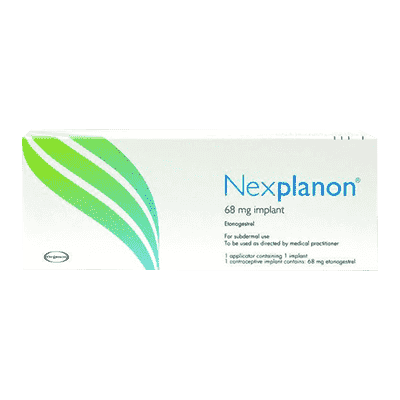
DKdermal currently presents just one brand of subcutaneous implants – Nexplanon. This a tiny plastic rod with hormone progestin that is placed under the skin of the upper arm. By daily releasing the active substance into the blood, it thickens the mucus on the cervix, stopping sperm from swimming through to the egg. The effect of this medicine can last for up to 5 years. When investigating the risk of getting pregnant using Nexplanon implant, the remedy has shown almost 99% effectiveness. Unfortunately, Nexplanon does not help to prevent infections with AIDS and other sexually transmitted diseases. To reduce the risk, please the patient should use condoms.
| Comparison Factor | IUD Devices | Subcutaneous Implants |
|---|---|---|
| Placement Location | Inside the uterus | Under the skin of upper arm |
| Procedure | Insertion by trained healthcare provider | Insertion by trained healthcare provider |
| Duration Range | 3-10 years (depending on type) | Up to 5 years |
| Removal | Can be removed at any time by request | Can be removed at any time by request |
| Effect on Sexual Activity | Not felt during intercourse | Not felt during intercourse |
| STD Protection | No protection | No protection |
“The procedure of insertion should be performed in a clinic by a specially trained health care provider. The device can be removed at any time per the patient’s request.”
You can also buy Botox, dermal fillers, mesotherapy products and threads on our website and benefit from original products and reasonable prices. Do not hesitate and make your first order with DKderma!
Long-term contraceptive methods such as IUDs and subcutaneous implants have proven to be highly effective with approximately 99% success rate in preventing pregnancy. This effectiveness is maintained throughout their duration of use, which can range from 3 to 10 years depending on the specific product chosen.
Fertility typically returns quickly after the removal of contraceptive devices. For most women using hormonal IUDs like Mirena, pregnancy can occur approximately 12 months after removal. With copper IUDs and implants, fertility can return even sooner. It’s important to consult with your healthcare provider about your specific situation and family planning timeline.
No, long-term contraceptive methods like IUDs and subcutaneous implants do not provide protection against sexually transmitted diseases (STDs) or AIDS. These devices only prevent pregnancy. To reduce the risk of STD transmission, it is recommended to use barrier methods such as condoms in addition to your chosen contraceptive method.
The insertion procedure must be performed by a specially trained healthcare provider after a careful medical examination. While some women may experience discomfort during insertion, the procedure is typically quick. Common reactions after insertion may include headache, abdominal or pelvic pain, and cramping, which usually subside within a few days. Your healthcare provider can discuss pain management options with you.
If you experience any concerning side effects after having an IUD or implant inserted, you should contact your healthcare provider promptly. Common side effects include menstrual changes, headaches, and mood changes. While many side effects are temporary and resolve within a few months, some may require medical attention. Your doctor can assess whether the side effects are normal or if the device needs to be removed.
IUDs are not suitable for everyone. Women who are pregnant, have current pelvic inflammatory disease, active genital tract infections, suspected or confirmed cancer of the cervix or womb, unexplained vaginal bleeding, or allergies to the device components should not use IUDs. Additionally, women with conditions such as diabetes, epilepsy, or a history of ectopic pregnancy should discuss these factors with their gynecologist before choosing this contraceptive method.