Pregnancy often changes how people think about health, beauty, and self-care. Procedures that once felt routine may suddenly raise concerns, especially if they could affect both you and your baby. One of the most frequently asked questions in aesthetic medicine concerns the use of Botox during pregnancy, particularly among those who regularly get Botox to maintain their appearance.
Botox is a prescription medication made from botulinum toxin type A, a neurotoxic protein produced by the bacterium clostridium botulinum. In carefully controlled doses, it temporarily blocks nerve signals to specific muscles.
For aesthetic use, Botox relaxes facial muscles, softening wrinkles such as forehead lines and contributing to smoother skin. This is why many people choose to get Botox for cosmetic purposes and long-term skin maintenance.
At the same time, Botox injections are not limited to beauty. They are also used for serious medical conditions, including severe muscle spasms, cervical dystonia, and neurological disorders. In some cases, Botox is prescribed to manage severe migraines.
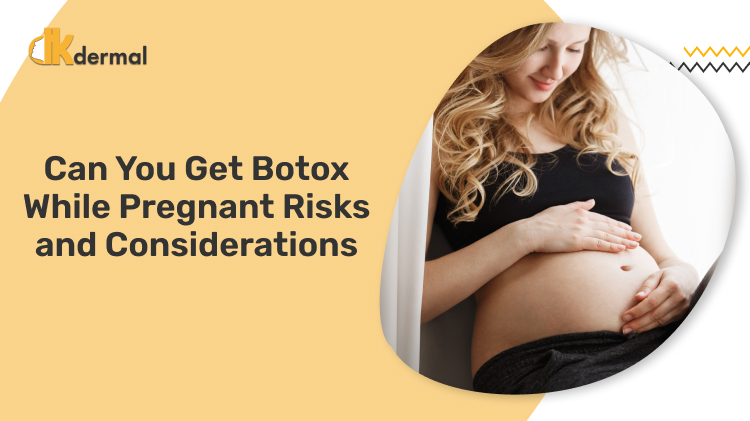
Pregnancy affects nearly every system in the body. Hormones fluctuate, blood volume increases, and skin sensitivity often changes dramatically. Hormonal changes during pregnancy can lead to unpredictable cosmetic results from treatments like Botox.
More importantly, pregnancy requires extra caution with any medication or injectable substance. Even treatments that seem localized raise questions about fetal exposure and long-term effects on the developing baby. As a result, most practitioners discourage Botox while pregnant, especially for non-essential reasons.
Ethical concerns prevent large-scale human studies, leaving researchers dependent on indirect evidence. Animal reproduction studies have examined the effects of botulinum toxin exposure during gestation. Some animal studies involving pregnant animals showed adverse pregnancy outcomes including malformations and low birth weight, raising concerns despite the higher doses used compared to cosmetic practice.
There are no well-controlled clinical trials involving pregnant women, which means definitive safety conclusions cannot be drawn. This lack of data is a key reason why conservative recommendations exist.
Botox is designed to work locally. Botox injections are generally localized and are not expected to enter the bloodstream in significant amounts, making it unlikely to affect a developing fetus, largely due to the size of the botulinum toxin molecule.
However, medicine acknowledges uncertainty. There is a theoretical risk that only a negligible amount of the botulinum toxin could spread beyond the injection site and influence fetal development. Concerns about systemic absorption and the possibility that the toxin spreads remain part of the discussion.
When evaluating whether to get Botox while expecting, healthcare professionals focus on minimizing unnecessary risk. The potential risks of Botox injections during pregnancy include unknown effects on the developing fetus, such as birth defects or developmental problems.
Although no clear causal link has been established, even a theoretical increase in birth defects is enough to warrant caution. Because pregnancy is a critical window for fetal growth, these potential risks are generally considered unacceptable for elective cosmetic use.
Although Botox is widely recognized for its aesthetic benefits, pregnancy shifts the focus from appearance to safety and risk minimization. For this reason, healthcare professionals evaluate Botox very differently depending on whether it is being considered for cosmetic enhancement or for managing a serious health issue.
From an aesthetic standpoint, most experts advise against Botox. Botox is used for both cosmetic and medical purposes, but the risks associated with its use during pregnancy are mostly considered too high for cosmetic applications.
Professional organizations reinforce this view. The American Academy of Dermatology (AAD) and the American College of Obstetricians and Gynecologists (ACOG) recommend avoiding Botox for cosmetic purposes during pregnancy. In fact, neither the American Academy nor obstetric authorities support routine Botox treatments during pregnancy.
In exceptional cases, Botox may be considered for cosmetic or medical reasons related to health rather than appearance. In rare cases, Botox may be considered for medical conditions during pregnancy (for treating severe migraines) if the benefits outweigh the risks, but this is not common practice.
Such decisions require careful coordination with a multidisciplinary healthcare team and are reserved for situations involving a potentially dangerous condition when other therapies have failed.
This situation is relatively common. If you had Botox before knowing you were pregnant, it is advisable to avoid further injections during your pregnancy and consult your healthcare provider.
Available evidence does not suggest immediate harm, but continued monitoring and open communication with healthcare providers is important. Further receiving Botox injections should be postponed until after delivery.
The consensus among professionals is based on caution rather than fear. The lack of definitive research on Botox’s safety during pregnancy leads most doctors to recommend postponing cosmetic treatments until after childbirth.
While not all doctors hold identical opinions, most healthcare providers agree that delaying elective procedures reduces unnecessary risk. Pregnancy already places physical demands on the body, and avoiding nonessential interventions helps protect both you and your baby.
The good news is that there are safe alternatives to maintain healthy skin during pregnancy without injections. Topical treatments with ingredients like hyaluronic acid, vitamin C, and azelaic acid are generally considered safe during pregnancy or breastfeeding. These ingredients can support hydration, brightness, and overall skin texture.
There are several skincare treatments considered safe during pregnancy, including:
Some in-office treatments can be appropriate with professional approval. Chemical peels with low concentrations of glycolic acid are considered safe for pregnant patients. Light chemical peels may help improve tone without penetrating deeply.
Additional options include:
Pregnancy-safe facials can help maintain skin health without the risks associated with more aggressive cosmetic procedures. At the same time, caution is necessary. Dermal fillers, strong exfoliants, high concentrations of salicylic acid, and laser treatments are usually avoided.
Pregnancy can cause skin changes like hyperpigmentation and varicose veins. Some people experience dryness or breakouts, while others enjoy a noticeable glow. These changes are normal and often temporary. Rather than aggressive cosmetic treatments, gentle care and patience are typically the safest approach during this phase.
After giving birth, many people ask when it is safe to get Botox again. Consultation with a healthcare provider is recommended before resuming Botox treatments postpartum. The timing for resuming botulinum toxin injections postpartum varies among individuals and depends on recovery, overall health, and feeding choices. Many dermatologists recommend waiting until breastfeeding has ended before resuming Botox treatment.
Some practitioners may still treat breastfeeding parents, but opinions differ due to limited data. Breastfeeding parents should always discuss risks and benefits with their provider before proceeding. When appropriate, Botox postpartum can be safely reintroduced under professional supervision.
Deciding whether to get Botox during pregnancy requires balancing appearance goals with safety. While Botox has an established role in medicine and aesthetics, the use during pregnancy remains insufficiently studied.
By focusing on gentle skincare, proven alternative treatments, and expert advice, pregnant patients can protect their health while still caring for their appearance. Trusted practitioners who buy Botox directly from authorized manufacturers remain the best source of guidance throughout this journey.
It is a neurotoxic substance used in minimal, controlled doses in aesthetic and medical settings. The concern during pregnancy comes from limited safety data and its classification as a pregnancy category C drug, meaning there is insufficient evidence to confirm safety for fetal development.
There is no strong evidence from human studies directly linking Botox to birth defects, but data is limited. For this reason, doctors advise avoiding elective cosmetic injections during pregnancy, as even theoretical risks are considered unnecessary when fetal development is involved.
In general, fillers and stronger peels are discouraged during pregnancy. Skin sensitivity and healing responses change, and pregnant women may experience unpredictable reactions or complications. Milder skincare options are usually preferred until after delivery.
It is typically considered once the body has recovered from childbirth. The exact timing varies, but many practitioners recommend waiting several weeks or longer before restarting Botox treatments, especially if breastfeeding is involved. A personalized discussion with a provider is important before resuming injections.
In rare situations, Botox may be considered for serious medical indications when no safer alternatives exist. These decisions should always be based on individualized medical guidance, weighing maternal benefits against potential fetal risks. Cosmetic treatment alone is generally not considered sufficient justification.
If you are trying to conceive, Botox is not universally prohibited, but caution is still recommended. Since early pregnancy may go unrecognized, many providers suggest postponing injections during this period to avoid unintended exposure during the earliest stages of fetal development.
The first trimester is the most critical phase of fetal development, which is why Botox is generally discouraged during this time. Most clinicians recommend avoiding any non-essential injectables until after pregnancy to minimize unknown risks.
Safe alternatives focus on non-invasive skincare and gentle treatments. These may include pregnancy-approved topical products, hydration-focused routines, professional facials designed for expectant patients, and lifestyle measures that support overall skin health without injections.