
Free Shipping Over $750
|
Estimated Delivery Time 3-7 Days
- Clients Service: 778-806-4900
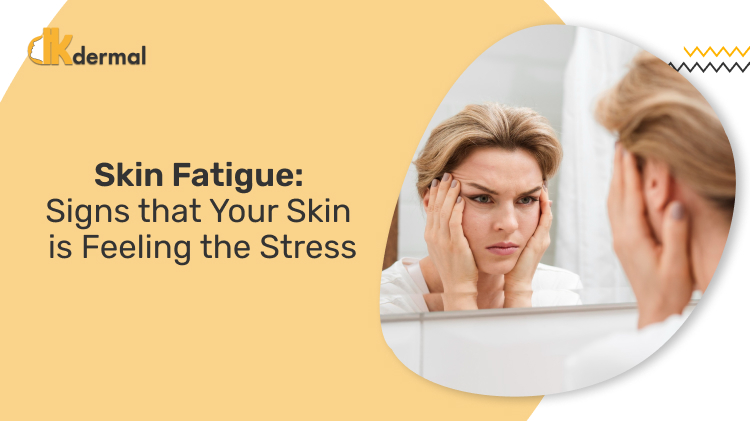
This condition often signals deeper imbalances in the body, including how it handles ongoing stress. When resilience weakens, the skin reflects internal tension long before major symptoms appear. Though surface-level changes may look cosmetic, they often highlight issues involving the adrenal glands, the pituitary gland, and the broader network that regulates the body’s hormone rhythms.
During prolonged strain, several biological systems activate, including the HPA axis, which involves the hypothalamus, the pituitary or adrenal glands. Rising stress levels stimulate the release of the primary stress hormone, which influences the immune system and disrupts processes that usually keep the skin looking vibrant, including the activity of cortisol.
The body becomes less capable of maintaining its typical repair pace, and high levels of hormonal output can gradually weaken the epidermal barrier. Because these reactions occur repeatedly in modern life, skin exhaustion becomes increasingly common.
A visible sign of imbalance is the appearance of a puffy face, caused by disruptions in fluid levels and how the body regulates circulation. The skin may retain water as a protective response, resulting in facial puffiness.
Some people also notice altered salt balance, which reflects more systemic stress. When the body attempts to restore fluid, mild swelling often follows. This can also occur when dehydration, nausea, or dizziness accompany tension. Although typically temporary, these changes may match fluctuations in the blood and can lead to uneven texture.
When excess cortisol from the adrenal glands accumulates or cortisol levels stay elevated, the skin barrier suffers. This pattern may lead to irritation, dullness, or even worsening acne as cortisol becomes chronically elevated. Disrupted hormone levels also raise the likelihood of weight gain, poor sleep, and generalized weariness, making individuals feel tired throughout the day.
Prolonged hormonal activation weakens natural cycles, and levels of cortisol that remain high push the body into a state of prolonged strain. The result is a cascade of skin changes, often paired with imbalance in hormones, that becomes increasingly hard to correct without intervention.
Systemic reactions to tension influence both internal organs and external appearance. Some of the most noticeable internal-to-surface pathways include:
Each factor may lead to unattractive skin texture, early skin symptoms, or weakened protective capacity.

Long-term tension sometimes resembles early signs associated with hormonal disorders, such as Cushing-related patterns. Elevated high cortisol may cause a cortisol face, thickened skin folds, or fluid retention linked to the adrenal glands. Disruption of the adrenocorticotropic hormone can further affect the body’s regulation.
Some individuals also experience effects similar to insulin resistance, where metabolic overload contributes to inflammation and imbalance. These high levels of stress-induced reactions do not necessarily imply disease, but warrant attention when they persist.
Although it is not an established medical diagnosis, many people describe clear skin manifestations tied to chronic overwhelm. Typical signals include:
When these symptoms progress, they may indicate the underlying cause — there are not enough hormones rather than simple emotional overload:
Among adrenal disorders, Addison’s disease is one of the most significant. In Addison’s disease, the adrenal glands fail to produce essential hormones. Some people notice:
Because Addison’s disease influences pigmentation, increased melanocyte stimulating hormone emerges through a compound called proopiomelanocortin. Many people with Addison’s disease must replace aldosterone to stabilize the blood. When Addison’s disease presenting symptoms appear, early care improves outcomes.
Proper management reduces risk, especially since people with Addison’s disease must avoid high doses of imbalance-triggering medications. Severe cases represent the most common cause of long-term adrenal complications.
If untreated adrenal insufficiency worsens, it may lead to an adrenal crisis, a true medical emergency. This can rapidly destabilize blood pressure and the body’s capacity to withstand acute strain. Anyone with Addison’s disease or related vulnerability should monitor for sudden symptoms.
These steps complement medical treatment options and help maintain overall healthy balance:
For individuals wishing to refresh tired facial features, it can also be beneficial to buy dermal fillers from reputable clinics as part of a broader rejuvenation plan.
Skin exhaustion reflects deeper processes within the endocrine networks of the body. Understanding how factors like Addison’s disease, adrenal insufficiency, and prolonged emotional overload influence appearance empowers individuals to act early. Observing subtle symptoms ensures long-term stability and keeps the skin naturally healthy.
Because cortisol levels stay elevated, affecting tissue distribution.
Yes, Addison’s disease alters pigmentation pathways.
Severe adrenal insufficiency may lead to an adrenal crisis.
It releases regulators that influence the adrenal glands.
Yes, it may cause near-fainting, especially when fluid balance shifts or tong CV sensations appear.
Indicators that symptoms may go beyond cosmetic issues.