
Free Shipping Over $750
|
Estimated Delivery Time 3-7 Days
- Clients Service: 778-806-4900
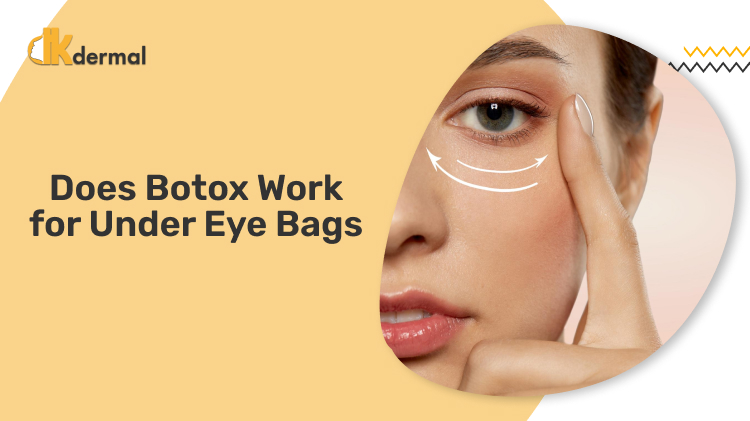
Botox injections are among the most popular treatments in aesthetic medicine. The product aims to prevent the occurrence of aging signs, particularly wrinkles known as ‘dynamic lines’ that tend to develop when we move our faces (which is why such wrinkles are also known as ’emotinal wrinkles’). The product can be used for various facial areas and procedures, but today we would like to discuss the most delicate region – the periorbital area, and the way Botox may help with its rejuvenation.
Find out all the essential details regarding the procedure, learn more about the target audience, safety regulations, and other critical nuances to ensure you’ve fully embraced the topic. Check out more exciting articles on the DKdermal’s blog to dive into new topics in aesthetic medicine!
Before discussing available treatment options for the under-eye region (including Botox), we would like to highlight some of the most common concerns in the area. Skin loses elasticity quite quickly around the eyes, as the skin there is the thinnest on the face, which is why it requires extra care. Knowing the problems is one of the best ways to target them efficiently to achieve the best possible results:
Skin in the periorbital area is the most delicate, which is why it’s so important to treat it with gentleness and care. Choosing the correct cosmetic procedures is part of success, which is why we’d like to emphasize the importance of consulting an experienced medical professional and having the procedures performed by a qualified specialist.
Yes, Botox can be used to address under-eye bags, but not in all cases. It can be administered to reduce the activity of the orbicularis muscle to soften the appearance of the bulges under the eyes, especially if they are caused by facial movement.
However, if the root of the problem is in fat pad prolapse, fluid retention, or skin laxity, Botox alone will not help you achieve the desired results. In this case, we recommend combining treatments to not worsen the condition and ensure all aesthetic goals are achieved. Botox is an affordable non-surgical solution, and it can work like magic in the hands of an experienced injector, once the right dose is calculated, all the risks are considered, and patients’ current conditions are thoroughly evaluated.
Botox under the eyes is an effective solution in aesthetic medicine, but it is important to evaluate whether it’s an appropriate cosmetic treatment for one’s particular needs. Who would be a suitable candidate for under-eye Botox injections?
Botox works by relaxing muscles, which may reduce muscle-related tension contributing to wrinkles or subtle puffiness under the eyes, but it does not correct structural causes of eye bags. It is not recommended for treating deep hollows, severe loose skin, or dark circles caused by pigmentation.
Precise placement of Botox is crucial for the procedure’s effectiveness, which is why the treatment can only be performed by a skilled injector to avoid placement that is too deep or too superficial, which can lead to the procedure’s ineffectiveness or even be considered risky.
Here are the aspects that help create a safe experience with Botox:
Common side effects of Botox injections around the eyes include bruising, swelling, and temporary discomfort at the injection site, with rare cases leading to more serious effects like drooping eyelids if the toxin spreads to unintended areas.
It is important to note that, unlike dermal fillers, Botox cannot be dissolved once injected. If undesired effects occur, they typically resolve gradually over time as the neuromodulator wears off, which highlights the importance of precise dosing and proper injection technique.
If Botox is indeed the right treatment for an individual, its effect should be subtle, yet prominent, providing a younger-looking skin in the end. Patients may notice:
Botox results usually begin to take effect within three to five days, with full results visible around 10 to 14 days after treatment. Under-eye Botox typically lasts about three to four months, requiring maintenance treatments to sustain the effect. Most people receive Botox injections every three to four months to maintain results, although individual responses may vary.
Both Botox and dermal fillers are considered effective for the under-eye area, but the problems they solve are rather different. For individuals whose main concern is wrinkles rather than puffiness, Botox treatments in the lower eyelid area may provide a subtle improvement, but fillers are often more effective for addressing under-eye bags. Dermal fillers are generally more effective than Botox for treating under-eye bags, as they add volume to hollows and improve the appearance of puffiness.
However, if patients must address mixed causes, a combination approach is most effective for providing balanced, natural-looking results. It is important to consult a board-certified medical professional to assess all the details and tailor the best treatment plan, as the periorbital area is extremely delicate and must be handled with caution.
Is Botox the best solution for reducing under-eye bags and refreshing tired-looking eyes? In short, it depends. Botox can help soften fine lines and reduce mild puffiness caused by muscle movement around the eyes. However, for more pronounced under-eye bags, the results may be less noticeable, and additional treatments may be needed to achieve the desired outcome.
That is why working with a qualified specialist is essential. A medical professional evaluates patients’ conditions, calculates the dose, and ultimately creates a treatment plan to ensure the desired aesthetic goals are achieved.
Jelly roll Botox is a quick, minimally invasive treatment designed to smooth the small roll of skin that appears beneath the eyes when you smile or squint. The procedure is subtle, fast, and requires no downtime, making it a great option for those who want a refreshed look without surgery.
Yes, eye creams can help with mild under-eye bags, especially when puffiness is caused by dryness, fluid retention, or tired-looking skin. Ingredients such as caffeine, hyaluronic acid, peptides, and retinol may temporarily reduce puffiness, hydrate the skin, and improve firmness. However, eye creams usually cannot fully remove more pronounced under-eye bags caused by genetics, aging, fat pads, or skin laxity.
Most patients typically require 1 to 2 units on each side, depending on the strength of the muscle. It is best to begin with the lowest effective dose and evaluate the results after two weeks.
Combining Botox with other treatments, like dermal fillers or lasers, can enhance overall rejuvenation results. This practice is welcomed and highly used in the cosmetic beauty sphere.
Yes, if the condition is caused by excessive muscle spasms. Botox is generally not effective for under-eye bags caused by fat protrusion or loose skin, as relaxing the muscle may allow fat to protrude further, making eye bags more noticeable.