When you’re considering your first Botox treatment, one of the most common questions is how many units you’ll need for the forehead. The answer depends on several factors, such as your facial anatomy, age, muscle strength, and aesthetic goals. Understanding the number of Botox units used for different treatment areas can help you set realistic expectations and ensure an effective treatment. Let’s discuss how many units is normal, how much can you get at one time, and what to expect from your first treatment.
Before your first appointment, your provider will determine the amount of Botox required during a consultation. Typically, the average units for the forehead range from 10 to 30, depending on factors like facial muscles activity, previous cosmetic treatments, and geographic location.
For first-time patients, a conservative approach is often recommended. Since every face is different, it’s better to start with fewer units and gradually adjust with regular treatments once the injector understands how your muscles respond.
The number of units varies from person to person.
An injector will always personalize your customized treatment plan.
The Botox results are temporary, lasting about 3–4 months for most patients.
Many patients need additional units during follow-up visits to achieve optimal results.
There isn’t a strict upper limit, but it depends on the treatment area and medical guidance. Each area requires a different range of units for safe, FDA-approved administration.
Your provider will administer Botox strategically to ensure muscle relaxation without over-treating. Using more units than necessary doesn’t mean better results: in fact, it can cause an unnatural look. The goal is to treat fine lines and smoothing lines while preserving natural expressions.
Age and muscle strength;
Thickness of forehead muscles;
Gender (men often need many units of Botox due to stronger facial muscles);
Previous Botox injections history;
Desired lines and wrinkles reduction level.
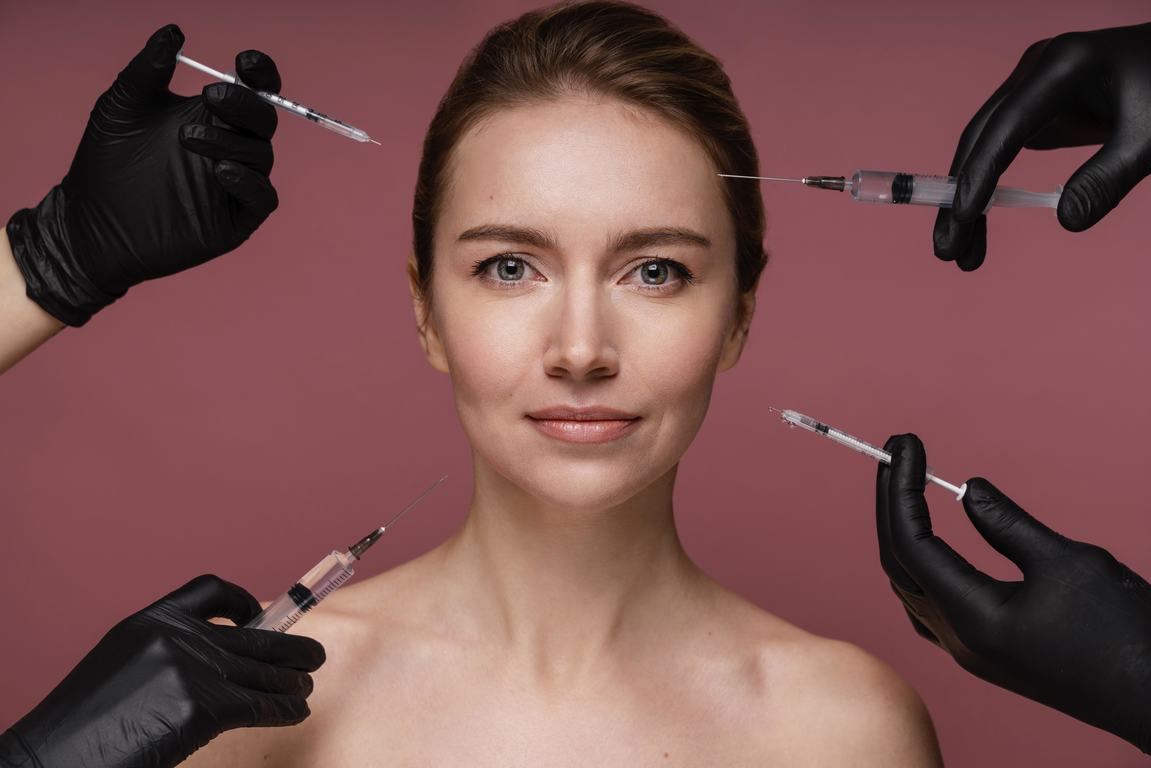
Botox is one of the most popular beauty treatments for softening dynamic forehead wrinkles. The botulinum toxin, derived from the bacterium Clostridium botulinum, temporarily blocks nerve signals to the muscles. This prevents them from contracting, allowing the skin to appear smoother.
The forehead lines are the horizontal creases that appear when you raise your eyebrows. These lines form due to repetitive movement of the forehead muscles over time.
Typical dosage: 10–20 units.
Reasoning: the number of Botox units required here will vary based on the width of the forehead and the activity of the muscles.
Goal: achieve smoothing lines and maintain the ability to express naturally.
When performed correctly, Botox here also helps lift the brows slightly, creating a more youthful appearance. It is equally important to know where to not inject Botox in the forehead — for instance, injecting too close to the brows or unevenly across the frontalis muscle can lead to unwanted side effects like drooping or asymmetry.
The glabellar lines, often called the “11 lines,” form between the eyebrows. These vertical wrinkles are caused by frowning or squinting.
Typical dosage: 15–25 units of Botox spread across five sites.
Reasoning: this area requires precise dosing to relax the muscles responsible for deep furrows while keeping natural movement.
Goal: soften the lines without causing a “frozen” look.
Bunny lines appear on the upper nose when you scrunch it. Although small, they can become noticeable over time.
Typical dosage: 5–10 units of Botox total.
Reasoning: the nasal muscles are delicate, so fewer units are used to preserve balance.
Goal: smooth subtle creases without affecting nearby other areas, like the upper lip.
These lines fan out from the outer corners of the eyes, known as lateral canthal lines.
Typical dosage: 6–15 units per side.
Reasoning: because the skin here is thin, small doses create gentle relaxation of the muscles while preventing overcorrection.
Goal: soften wrinkles for a refreshed look.
The neck’s vertical platysmal bands can also be treated with Botox.
Typical dosage: 20–40 units of Botox.
Reasoning: the neck and masseter muscles may need higher doses due to their strength.
Goal: smooth the neck and improve contour without stiffness.
Tiny smoker’s lines around the lip are also common treatment areas.
Typical dosage: 4–6 units total.
Goal: soften small lines and wrinkles around the mouth, especially for those who smoke or purse their lips frequently.
This subtle approach prevents distortion of lip movement.
The amount of Botox used depends on a mix of several factors, such as:
Age and skin condition;
Gender – men often require many units due to thicker facial muscles;
Metabolism rate – faster metabolism may mean shorter duration;
Previous cosmetic treatments like dermal fillers;
Desired results and aesthetic goals.
Each Botox treatment is tailored individually, ensuring your provider delivers a customized treatment plan for optimal results.
The active ingredient, botulinum toxin, interrupts signals between nerves and muscles, leading to muscle relaxation and smoother skin. Since Botox is FDA-approved, it’s considered safe when performed by a professional injector.
Consultation: your provider examines your face and discusses your aesthetic goals.
Preparation: makeup is removed, and the skin is cleansed.
Injection process: tiny Botox injections are placed strategically in the treatment area.
Aftercare: you’ll receive guidance on what to avoid post-procedure.
During your first treatment, results typically appear within 5–7 days, with full improvement seen around two weeks. The effects last between 3–4 months, after which regular treatments are needed to maintain the look.
Some patients may notice they need additional units in follow-ups if their facial muscles are more active or if they desire stronger results. Over time, many patients find they need fewer units as their facial muscles adapt and lines become less pronounced.
It has been used worldwide for decades and is one of the most trusted cosmetic treatments available. When handled by a skilled injector, the risk of complications is minimal. While it’s easy to find Botox online, experts always recommend purchasing only from licensed providers or getting injections at certified clinics. This ensures product authenticity, safety, and the best possible results.
Temporary redness or bruising;
Slight swelling at injection sites;
Minor headache lasting a few hours.
These typically resolve quickly, and you can return to your daily routine almost immediately.
For those with deeper creases, combining Botox with dermal fillers can enhance results. While Botox relaxes muscles, fillers add volume to depressions caused by facial wrinkles. This combination is ideal for achieving balanced, youthful skin texture.
Determining how many units of Botox to use for the forehead and other areas isn’t a one-size-fits-all equation — the answer depends on individual factors, like muscle strength, facial anatomy, and desired results. Whether you’re treating forehead lines, glabellar lines, or bunny lines, your provider’s expertise is key to achieving natural, safe, and lasting Botox results.
If you’re preparing for your first appointment, trust that a personalized Botox treatment plan will help deliver optimal results without overdoing it. Start conservatively, follow your skilled injector’s advice, and enjoy smoother, refreshed skin that reflects your best self.