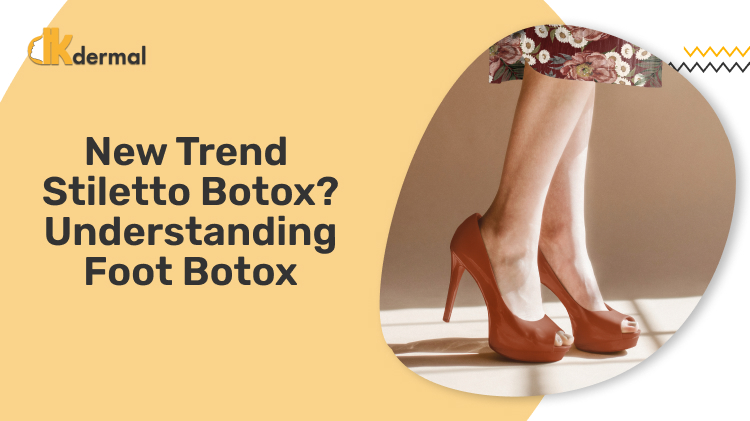
The rise of stiletto Botox has become one of the most talked-about beauty–wellness trends today, promising added comfort for those who love high heels but suffer from the discomfort they often cause. While the idea may sound unusual at first, it’s a fascinating blend of cosmetic science and foot care that deserves a closer look before anyone decides to schedule a session.
Using botulinum toxin injections, specifically targeted to the balls of the feet, to reduce pain linked to wearing high heels. Although Botox injections are best known for smoothing facial wrinkles, the mechanism, temporarily relaxing overactive muscles and reducing muscle tension, can be applied to foot conditions as well.
The trend started growing among high heel wearers who needed better endurance during long events, long workdays, and night outings. As the cosmetic market expanded and Botox wholesale availability made the product more common, interest in foot-focused procedures naturally increased.
The idea sounds like a shortcut to glamorous stamina, yet the underlying reasons of foot pain may vary. In some cases, it stems from stress on the heel bone, the soft tissue under the balls of the feet, or even nerve irritation. This is why understanding how Botox injections works is the first step toward making an informed decision.
Stiletto injection involves small injections of botulinum toxin into targeted areas of the feet. The goal is to lower sensitivity, relax tension, and reduce the strain causing pain when the pressure increases. For many, these injections help them walk longer distances and walk more confidently when wearing high heels.
Some podiatrists also use foot Botox to manage plantar fasciitis, a painful inflammation of the foot’s connective tissue. Since plantar fasciitis often worsens with excess pressure, relaxing the tight tissue can reduce inflammation and redistribute impact.
The process is relatively typical for Botox use: the area is cleaned, the product is injected, and patients wait briefly before resuming normal activity. However, although fast, the procedure sounds gentler than it actually is, so professionals recommend realistic expectations about the degree of relief.
Advocates say they benefit from pressure reduction, longer length of stability during the day, and less burning pain. For some dealing with hyperhidrosis, foot Botox can also help reduce sweaty feet, because botulinum toxin suppresses sweat glands. Less moisture means fewer shoe-slipping problems, more stability, and reduced odor.
A few additional reasons people choose this therapy:
While these effects can be encouraging, the treatment still has limits, and results may extend only up to a few months at a time.
During the first week, most people begin to notice reduced soreness. Within two weeks, the full effects develop. In many cases, relief lasts three to four months before another round of injections is needed.
However, the result depends heavily on foot anatomy, shoe habits, and lifestyle. People who frequently put on extremely narrow stilettos may still face discomfort, because pressure creating pain can exceed what any treatment can offset. For those with severe medical foot issues, combined approaches, such as orthotics, stretching, or medical therapy, may be more effective.
As with any procedure involving injections, there are risks. Mild bruising is common, and in rare situations, infection can occur. Over-relaxed muscles may temporarily change the way you walk, and the nerves in the area may feel slightly different while the effects settle.
Potential concerns include:
Despite that, many users report positive comments, especially those used to wear high heels during long day events or night shifts. Still, experts recommend addressing the real underlying cause of pain and not masking it entirely.
In some ways, the concept seems similar to sports medicine approaches. Athletes often use targeted injections to manage pain, though the goals and formulas differ. Scientific research on stiletto Botox is still limited, so professionals remain cautious. It’s important to remember that feet are not designed to carry the intense stress causing pain during prolonged wear of heels, and changing the sensation without changing technique can lead to new problems.
Some specialists also explore treatment options for plantar fasciitis using botulinum toxin, and while some studies show promising effects, more evidence is needed before declaring it standard care.
Stiletto Botox may sound like fashionable solutions for high heels lovers, but they should be approached thoughtfully. The procedure provides temporary relief, improve endurance, and help manage sweat issues, yet no treatment replaces supportive shoes, safe wear, and friendly habits.
Before deciding to be injected with Botox, speak with a qualified doctor, consider all options, and read multiple user comments — your legs deserve care that supports you every day.
Most people notice the effect for several months, depending on lifestyle and the intensity of daily activity.
The sensation during the process is typically mild, and the area being injected may feel slightly tight afterward.
Yes, it can ease more than one kind of pressure-related discomfort, especially in high-impact zones.
It may slightly influence the way you face certain movements, but most people adapt quickly.
Some notice changes within a few days, while full results can take a week or more to develop.