Many people have wondered how subtle aesthetic adjustments can transform the overall perception of the face without erasing personality. Marionette lines are often one of the earliest signs that age begins to show itself more clearly, influencing how a smile is perceived and how emotions are read by others. When these lines deepen, the corners of the mouth may appear heavier, sometimes creating an unintended tired or serious look. The focus of modern aesthetic medicine is not about drastic alteration, but about achieving balanced and natural harmony, where results feel authentic to the patient.
The true value lies in understanding how carefully chosen treatment techniques and products can improve overall facial unity, helping the patient feel happy with a refreshed appearance that still feels like their own.
Marionette lines develop as part of a complex process involving volume loss, muscle movement, and skin shifts over time. They connect the corners of the mouth toward the chin, subtly altering the lower third of the face. These lines often vary in depth and length depending on anatomy, lifestyle, and expression.
For many, marionette lines coexist with deep laugh lines, creating a pattern that frames the mouth. While these lines reflect life and emotion, they can also pull the mouth downward, affecting how the smile is perceived.
Key factors influencing marionette lines include:
Each patient presents a unique case, which is why outcomes always vary and why individual results depend on careful assessment.
A result-oriented strategy emphasizes what enhancements are visible after the filler treatment has been completed. Rather than isolating one line, practitioners look at how the lower zone integrates with the midface, chin, and cheeks.
Products like Restylane Defyne and Restylane Refyne are often selected because they support movement while preserving a natural look. These fillers are based on hyaluronic acid, allowing flexibility that aligns with facial dynamics.
Visible outcomes may include:
The patient often notices that the smile looks lighter and more open, without appearing overdone.
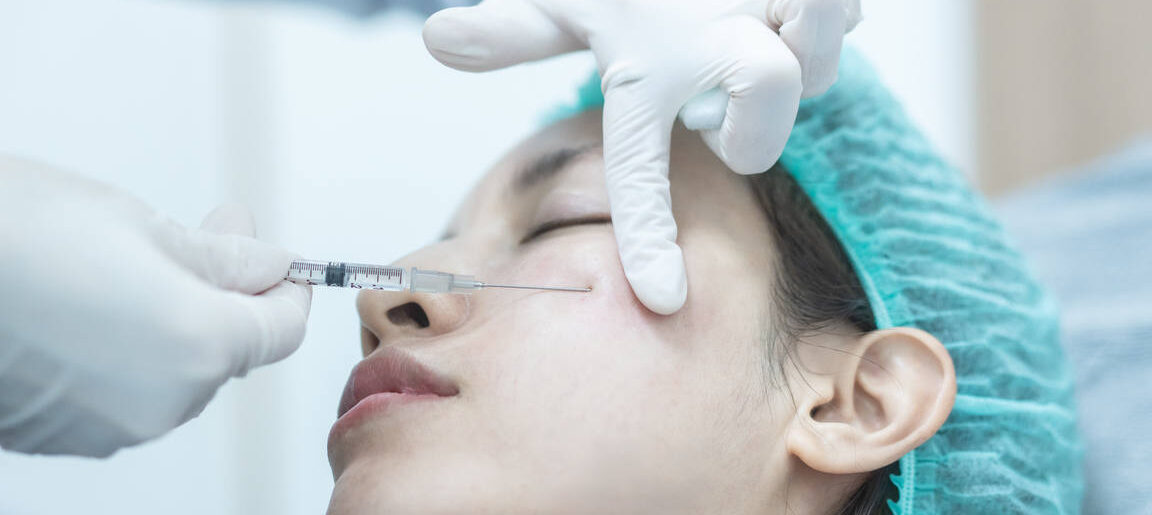
Different types of fillers create different visual effects. Restylane Defyne is frequently chosen to support deeper folds, while Restylane Refyne allows for softer integration in areas requiring flexibility. In some patients, Restylane Lyft may be used to support surrounding structures like the cheeks or jawline, indirectly influencing marionette lines.
When discussing different Restylane options such as Defyne, Refyne, and Lyft, product selection goes beyond technique alone. Clinics also consider consistency, certification, and supply standards, especially when evaluating Restylane for sale through authorized distribution channels.
In select situations, practitioners may also inject Botox in complementary areas such as the forehead to reduce muscle tension that affects overall facial balance. Common areas that may be treated together include:
This comprehensive approach helps restore harmony rather than focusing on one isolated area.
After a filler treatment, the most noticeable difference is often how the lower face feels more cohesive. The downward pull at the mouth corners is reduced, and the transition from lips to chin appears smoother.
Patients often describe:
While some patients also address nearby concerns such as tear troughs, eyes, or even the earlobe, the primary focus remains the lower facial area. Outcomes always vary, reinforcing the importance of managing expectations and celebrating individual results.
Marionette lines rarely exist alone. Volume in the cheeks plays a critical role in how the lower part is perceived. When midface support is enhanced, it can reduce strain on the lower area, giving a more balanced appearance.
Supporting treatments may involve:
Some patients also choose to add refinement to the upper lip, which can influence how the mouth integrates with surrounding features. These decisions depend on what the patient may prefer and how their features naturally align.
Most patients notice enhancements within the first week, with continued refinement as swelling settles. By the second week, results tend to look more settled and cohesive. Over time, the goal is to maintain softness and symmetry rather than chase perfection.
It’s important to note that treatment outcomes can vary based on metabolism, facial movement, and lifestyle. This is why individual results are emphasized during consultation. The patient experience is centered on feeling comfortable and confident throughout the process. Some choose to schedule a follow-up appointment to reassess balance or make minor adjustments, ensuring the results remain aligned with expectations.
One of the most meaningful aspects of marionette line treatment correction is how small enhancements can improve overall facial perception. The face may appear more open, the eyes more expressive, and the smile more inviting. These adjustments are not about transformation, but about refinement.
In rare cases, additional areas like the forehead or upper lip are considered to enhance harmony. Occasionally, practitioners may inject Botox strategically to complement filler placement, always with restraint. The process is often described as simple, yet thoughtful, with careful attention to anatomy and proportion.
The true success of marionette line correction lies in outcomes that feel natural, balanced, and personal to each patient. Whether achieved with Restylane Defyne, Restylane Refyne, or Restylane Lyft, the emphasis remains on harmony rather than excess. Results vary, and that variability is what makes each outcome unique.
When approached with expertise and care, this filler treatment can subtly modify how the face is perceived, helping patients find renewed confidence and even love the way their smile reflects how they feel inside.
This treatment is based on hyaluronic acid, which allows tissue to remain flexible while still providing structure, helping results look soft rather than rigid.
In many cases, outcomes vary depending on muscle activity and anatomy, so combining techniques is assessed individually rather than applied routinely.
This treatment is often selected for enhancing volume in the cheeks, which can indirectly influence how surrounding features appear more supported.
This formulation focuses on softness and movement, giving a smoother transition without creating stiffness in motion.
The goal is not to completely get rid of character, but to reduce heaviness while preserving individuality.
Most people notice early settling within the first week, with gradual refinement as tissues adapt.
This zone may be treated conservatively to avoid dominance while supporting proportional harmony.
No outcome is identical, and results can differ based on anatomy, lifestyle, and even country-specific protocols.
Some clinics use photos selectively for clinical comparison, while others rely more on direct assessment.