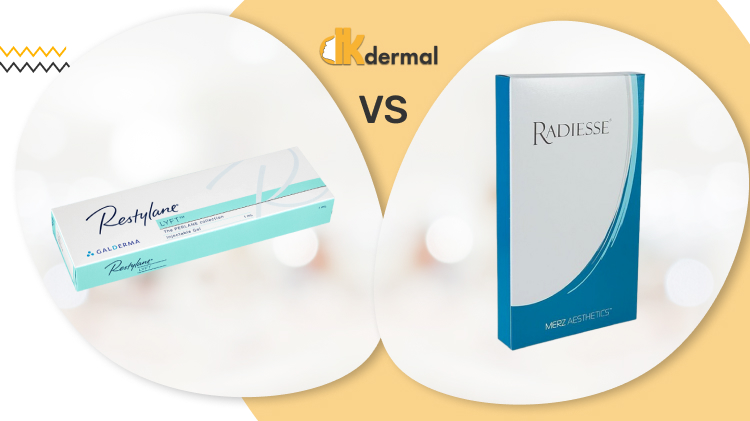
Non-surgical cosmetic treatments have become a central part of the beauty market. Among them, dermal fillers stand out for their ability to address wrinkles, volume loss, and subtle reshaping without invasive surgery. When people discuss the difference between Radiesse and Restylane, they often wonder which is more effective and which aligns better with their aesthetic goals.
These two remain some of the most popular dermal fillers, each trusted by specialists for their ability to provide results tailored to the body’s natural structure. Understanding their unique mechanisms helps patients make informed choices about long-term care.
The human body is naturally equipped with substances that keep skin youthful. Hyaluronic acid, a naturally occurring substance, helps skin remain plump and hydrated. Unfortunately, its levels decrease with age, leading to fine lines and deeper wrinkles. At the same time, collagen production slows, causing sagging and facial contours to lose definition.
Dermal fillers step in to restore volume, reduce creases, and smooth wrinkles by mimicking what occurs naturally in the body. Hyaluronic acid–based solutions like Restylane rely on a gel like substance to replenish lost hydration, while Radiesse contains gel microspheres that support skin structure and trigger collagen renewal.
By supplementing what the body has lost, both fillers help patients look refreshed without surgery. The science behind them explains why Radiesse vs. Restylane remains an ongoing conversation in cosmetic care.
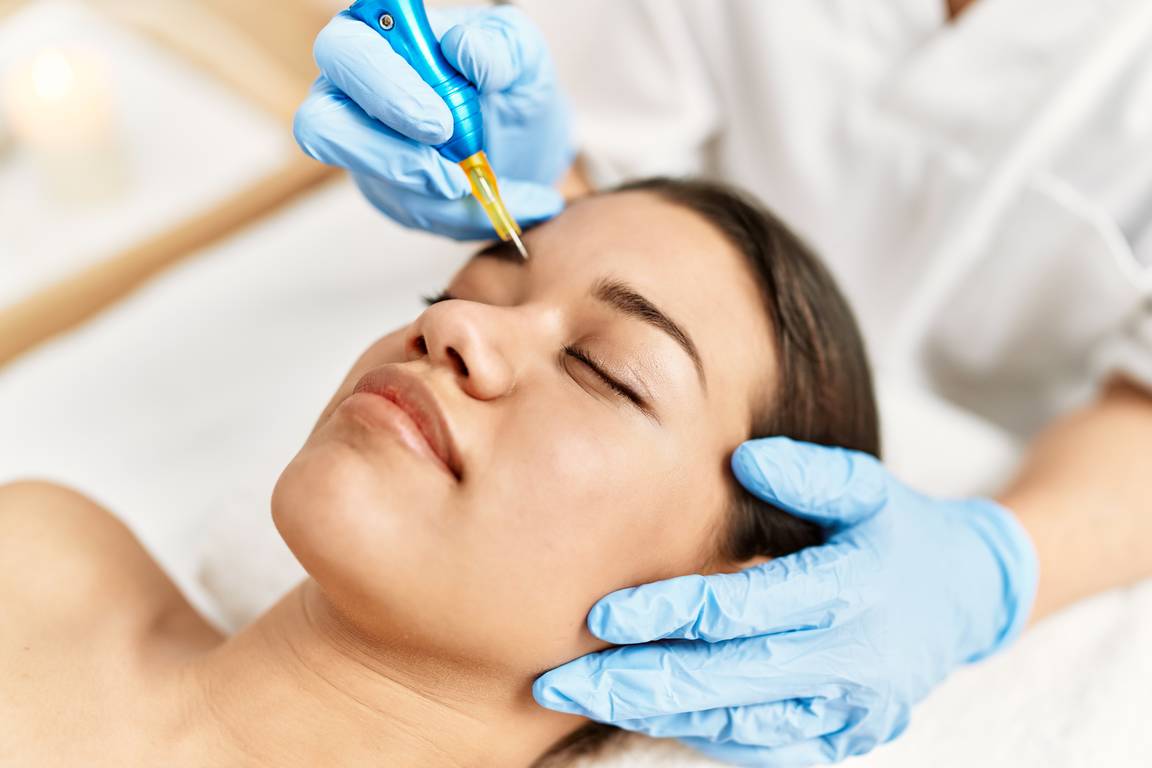
Radiesse is distinct in how it functions and what it treats. Unlike a hyaluronic acid based filler, it is made of calcium hydroxylapatite microspheres. These not only add volume but also ensure Radiesse stimulates new collagen. This dual action makes it appealing to those seeking stronger structure.
This makes Radiesse ideal for those prioritizing durability. While it may not be the best for lips, its ability to reshape and define contours ensures high satisfaction among those with more advanced concerns.
Restylane belongs to the group of hyaluronic acid dermal fillers, known for their adaptability. This hyaluronic acid based option is a soft gel like substance that integrates smoothly into tissues.
Because hyaluronic acid occurs naturally, Restylane is considered safe, and as an FDA approved product, it is trusted worldwide. Most patients appreciate that it works gently, adding more volume where needed without feeling rigid. Restylane is often chosen by younger people, focusing on earlier signs of wrinkles, particularly around mouth and cheeks.
When evaluating Radiesse vs. Restylane, the difference comes down to their structure, longevity, and how they interact with the skin. Radiesse, made of gel microspheres, not only fills but also stimulates collagen production, which leads to long-lasting results that continue to improve the skin’s texture over time. Restylane, by contrast, is a hyaluronic acid filler designed for hydration and soft integration. Both are known to provide results, but the patient’s profile largely determines the better choice.
| Feature | Radiesse | Restylane |
| Main ingredient | Calcium hydroxylapatite microspheres | Hyaluronic acid (gel-like filler) |
| Key action | Fills + stimulates collagen production | Hydrates + plumps |
| Best suited for | Deeper wrinkles, cheeks, structure | Lip augmentation, fine wrinkles |
| Duration of effect | Longer-lasting (long-lasting results) | Moderate, reversible |
| FDA approval | + | + |
| Ideal profile | Advanced volume loss and definition | Subtle correction and soft tissue areas |
While Radiesse and Restylane often take center stage, other fillers have established themselves as strong alternatives in the aesthetics world. Brands like Juvederm, Belotero, and Sculptra each bring unique qualities, giving individuals the freedom to explore a wider spectrum of options depending on their skin concerns and preferences.
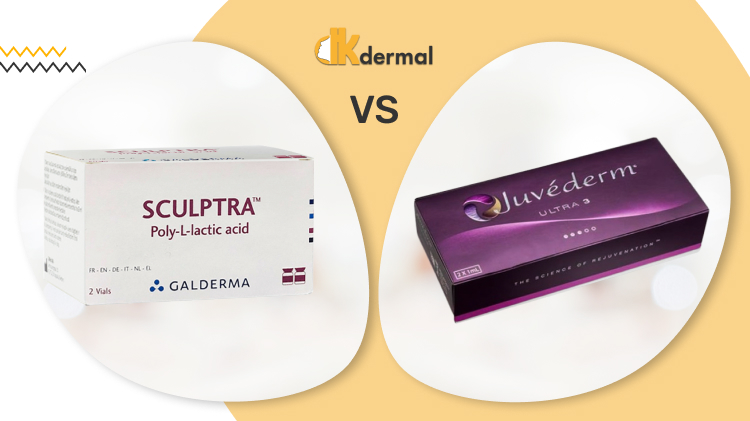
Juvederm, for instance, is another popular dermal filler formulated with hyaluronic acid, designed for versatility and smooth tissue integration. Belotero is valued for treating fine surface wrinkles, while Sculptra is distinct as it gradually encourages collagen rebuilding over time. These products are not interchangeable.
Because several factors, including age, skin condition, and the treated area, influence results, consultations remain essential. The growing availability of other dermal fillers highlights how the cosmetic market continues to evolve, ensuring that patients have access to individualized approaches for managing wrinkles and creases at every stage of aging.
Undergoing treatment with Radiesse and Restylane follows a consistent process. Before injection, a local anesthetic may be applied for comfort. Recipients typically see immediate results, though optimal effects stabilize after one to two weeks.
Common side effects such as bruising, redness, or mild swelling are temporary. Clinics stress the importance of choosing an FDA approved product, as this improves safety and patient satisfaction. For many recipients, the treatment feels minimally invasive, and the ability to walk away with a visible change right away makes these among the most popular dermal fillers.
When it comes to treatment, understanding safety is as important as outcomes. While Radiesse and Restylane are well-researched and FDA approved, no procedure is without risk. People are advised to review potential side effects with their provider:
The good news is that both are designed to be biocompatible. Hyaluronic acid produced naturally in the body, while Radiesse uses a mineral-like material already familiar to the body. By selecting certified specialists, people minimize risk, protect patient satisfaction, and enjoy results that can restore volume, smooth wrinkles, and improve facial contours with confidence.
Selecting between fillers is never a one-size-fits-all decision. While clinical data and product science matter, personal context shapes the best choice. A consultation helps evaluate skin type, lifestyle, and desired results before committing to any procedure.
It is perfectly reasonable to confirm that the clinic obtains products from trusted distributors. In practice, professionals may Restylane buy online through verified medical platforms, and recipients benefit from knowing their treatment materials come only from safe and reputable sources. This not only safeguards health but also builds confidence in the overall procedure.
Both Radiesse and Restylane have earned their place in modern aesthetics, and neither can be crowned the universal winner. The better choice depends on what each individual hopes to achieve — whether subtle lip refinement, stronger cheek definition, or addressing age-related changes in skin support.
The broader value lies in personalization: treatments that adapt to the face rather than forcing the face to adapt to them. With growing awareness and evolving techniques, dermal fillers continue to redefine what non-surgical rejuvenation can accomplish.
As with any elective procedure, the emphasis should remain on informed decisions, professional guidance, and realistic expectations. When chosen thoughtfully and administered with expertise, these fillers deliver more than cosmetic change — they restore balance, confidence, and harmony to the way we age.