
Free Shipping Over $750
|
Estimated Delivery Time 3-7 Days
- Clients Service: 778-806-4900
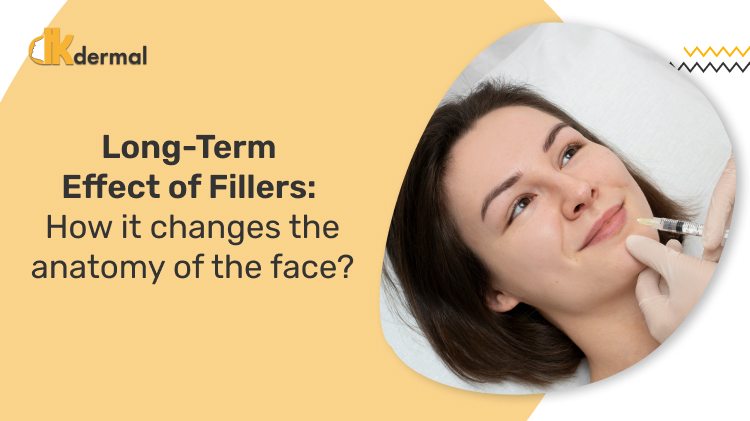
Dermal fillers have become one of the most popular non-surgical procedures in modern aesthetics. Millions of people choose these injections to restore lost volume, soften facial wrinkles, and enhance their features without downtime. While most filler treatments deliver immediate improvements, many patients are now asking deeper questions about what happens after years of use. Understanding the long-term impact of fillers is essential for anyone considering cosmetic treatments or maintaining results over time.
The face is a dynamic structure made of skin, fat pads, ligaments, facial muscles, and bone. Any injectable product introduced into this system can influence anatomy in subtle or dramatic ways depending on the product, frequency, and injection method. When fillers are administered correctly by a skilled injector, they are generally safe and capable of preserving a natural appearance. However, repeated treatments, excessive amounts, or improper injection technique may gradually alter natural facial contours and increase the likelihood of complications.
Fillers are commonly made from ha fillers, which are gel like substances designed to attract water and add volume beneath the skin. These products can also stimulate collagen production, helping the skin maintain firmness and elasticity. In moderation, fillers may restore volume loss associated with aging and improve facial contours without surgery.
Over time, however, fillers may affect the deeper structures of the face in several ways. The tissues adapt to the added volume, and the skin may stretch if too much filler is injected repeatedly into the same area. Some patients begin to lose definition in the cheeks or jawline because the filler changes the balance between the fat compartments and surrounding support structures.
In some individuals, the filler remains longer than expected and accumulates beneath the skin. This buildup can create an unnatural fullness that no longer reflects natural beauty. The risk becomes higher when patients chase unrealistic expectations or undergo frequent procedures without proper assessment.
A knowledgeable board certified plastic surgeon understands how muscles, ligaments, and fat pads interact during aging. The placement depth, amount of product, and angle of injection all influence long-term outcomes. Using proper technique helps reduce unnecessary pressure on surrounding tissues and preserves a more balanced result.
When injections are performed incorrectly, filler may compress blood vessels or spread into unintended areas. An inexperienced provider may overlook how muscle contractions affect filler placement, especially around the lips and cheeks. This is why choosing a qualified plastic surgeon or oculoplastic surgeon is critical for both safety and aesthetics.
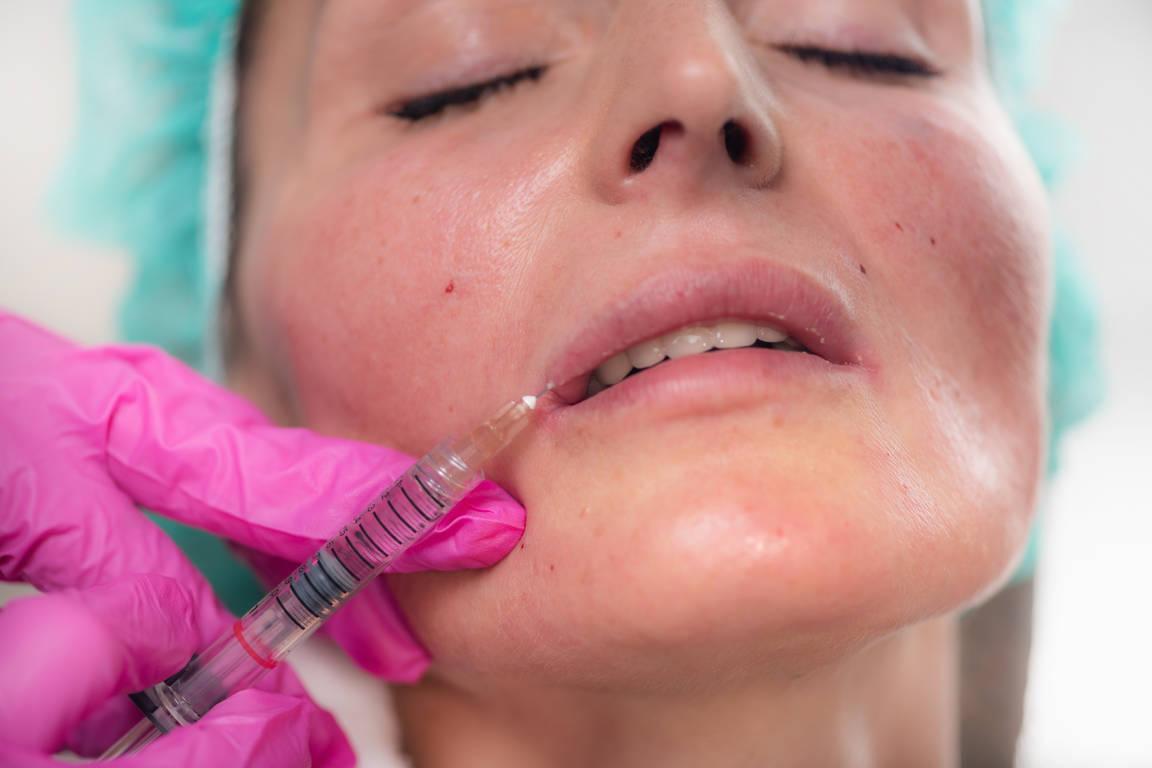
One of the most discussed long-term concerns is filler migration. This occurs when injected material moves away from the treated area into nearby tissue spaces. Migration can happen slowly over months or years and may not always be immediately noticeable.
Certain areas of the face are more prone to migration because of constant movement. The lips, under-eye region, and nasolabial folds experience regular muscle activity and pressure from facial expressions. As the filler shifts, the face may begin to appear swollen, uneven, or overfilled.
Repeated injections into the same region increase the chances of migration. In some cases, migrated filler can only be corrected with dissolving agents or surgical removal if the material becomes encapsulated within tissue.
Many people wonder whether the face becomes worse after discontinuing fillers. In most cases, stopping fillers does not accelerate aging, but the contrast between enhanced volume and the natural face can feel dramatic. When individuals stop receiving fillers, their face generally returns to its natural state as the product dissolves, without extreme changes if fillers were used moderately.
The skin can also appear looser after years of repeated stretching from excessive filler placement. While this does not happen to everyone, significant sagging of the face typically only occurs with overuse of fillers or after years of excessive volume replacement, not simply from stopping treatments.
Some effects associated with stopping fillers include:
Although fillers are considered generally safe, no injectable procedure is entirely free from risks involved. Long-term side effects may develop months or even years after the initial treatment. Some complications occur early, while others emerge slowly due to inflammatory responses within the tissue. The body may react to filler material through an immune response, particularly when products are layered repeatedly over time. Chronic inflammation can lead to discomfort, swelling, or hardened tissue beneath the skin.
Granulomas and nodules are among the most concerning delayed complications. These small lumps form when the body reacts to the filler as a foreign substance. Nodules may remain soft and painless, while granulomas are inflammatory and sometimes tender.
Common symptoms include:
In rare cases, these reactions require steroid injections, dissolving agents, or surgical removal. Managing complications quickly improves the chances of preserving healthy tissue and minimizing scarring.
Patients with bleeding disorders or complex medical history should always discuss risks with a provider before treatment. Blood thinning medications may also increase bruising and swelling after injections.
The most serious filler-related complications involve accidental injection into blood vessels. When filler blocks circulation, it can interrupt blood flow to surrounding tissues and cause vascular occlusion. This medical emergency should be treated immediately. If untreated, reduced circulation may lead to skin necrosis or even tissue death. Symptoms often include discoloration, blanching of the skin, severe pain, and abnormal temperature changes in the area.
Seek urgent medical care if any of the following symptoms appear:
Understanding the anatomy of blood vessels is essential during filler injections. A skilled injector knows which facial zones carry higher risk and how to avoid dangerous injection planes. Safe procedures depend on careful planning, conservative dosing, and continuous patient monitoring. Patients should never select a provider based only on cost or social media popularity or simply because they can easily buy dermal fillers online. The safest outcomes usually come from professionals with advanced anatomical training and extensive experience managing issues.
Scheduling regular follow-up care after filler treatments can help detect potential complications early, allowing for timely intervention and management. Patients who pursue subtle refinement instead of dramatic transformation are more likely to maintain harmony within the face over time. Providers should evaluate the entire face rather than repeatedly injecting isolated areas. This approach supports balance and helps preserve a natural appearance as the face ages naturally.
To minimize risks and support healthier long-term outcomes:
Some patients benefit from combining injectables with skin care, laser therapy, or collagen-stimulating procedures instead of relying entirely on volume enhancement.
Fillers can provide impressive rejuvenation when used thoughtfully and conservatively. They help soften facial wrinkles, restore youthful proportions, and support confidence without surgery. Yet the long-term effect of fillers on anatomy depends heavily on product selection, injection method, and the experience of the provider performing the procedure. Patients who plan to buy fillers should always choose authentic products and experienced medical professionals, as product quality and proper injection technique play a major role in achieving safe, natural-looking long-term results.
Understanding the possibility of filler migration, vascular occlusion, granulomas, and tissue damage allows patients to make informed decisions about their care. The best outcomes come from individualized treatment plans that respect natural beauty and preserve healthy tissue rather than chasing exaggerated results. With careful technique, realistic goals, and expert guidance, fillers can remain a valuable tool for facial rejuvenation while minimizing long-term issues.
Most hyaluronic acid dermal fillers are considered safe when administered by experienced professionals, although the long term side effects of fillers may still develop in rare cases. Mild swelling or bruising usually resolves within a few days.
Dermal fillers can last from several months to multiple years depending on the product and treatment area. Some hyaluronic acid dermal fillers may remain in tissue longer than expected and occasionally contribute to complications.
Allergic reactions to modern fillers are uncommon, especially with hyaluronic acid dermal fillers, but they may still occur. Symptoms such as redness or swelling often improve within a few days.
Even FDA-approved fillers can carry some complications, including swelling, asymmetry, or delayed inflammatory reactions. The long term side effects of fillers are less likely when treatments are performed correctly.
Botulinum toxin products relax muscles that cause wrinkles, while injectable dermal fillers restore lost volume beneath the skin. Both treatments are widely used in aesthetics and typically involve minimal downtime of a few days.
They may include migration, lumps, swelling, or changes in facial balance over time. In rare cases, patients may require correction or treatment for potential complications.