
Free Shipping Over $750
|
Estimated Delivery Time 3-7 Days
- Clients Service: 778-806-4900
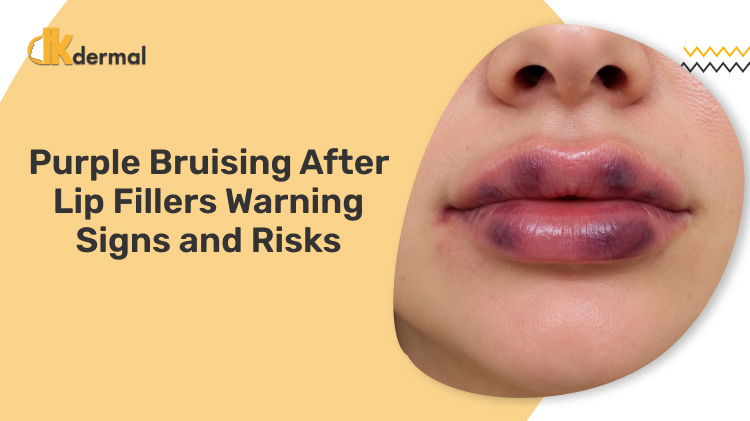
Lip enhancement procedures have become a routine part of many people’s cosmetic enhancement journey, but visible discoloration after treatment can still cause concern. Seeing purple bruising may feel alarming, especially for first-time patients. In most cases, discoloration is temporary and part of the body’s natural response to injections.
The lips contain a dense network of blood vessels, making them particularly prone to bruising. During the injection process, a needle or cannula can accidentally disturb tiny blood vessels beneath the tissue. When this happens, a small amount of blood leaks under the skin’s surface, creating visible discoloration.
Several factors can influence lip filler bruising severity. Individual anatomy (like sensitive skin), age, and overall health all play a role. Some people naturally have more fragile small blood vessels, while others may have conditions that affect clotting or circulation.
Common bruising causes include:
Any lip filler treatment involves creating tiny entry points in the skin. Whether a practitioner uses needles or cannulas, some degree of tissue trauma is unavoidable. This is why bruising after lip procedures is considered one of the most common temporary side effects.
The product itself also contributes. Most modern fillers contain hyaluronic acid, a substance that attracts water. While beneficial for volume and hydration, it may contribute to minor swelling around the treatment area. Combined with injection trauma, this can increase the appearance of discoloration.
Certain behaviors shortly after treatment can worsen symptoms. Activities that create increased blood flow may encourage more blood leakage into surrounding tissues, which sometimes makes bruising appear darker or larger than expected.
Understanding bruising stages can make recovery less stressful. Bruises typically change color as the body processes trapped blood and begins repair.
For most individuals, bruising begins within hours after treatment. While the appearance can be dramatic, it is often completely normal during the early phases of recovery.
One of the most common concerns among patients is bruising duration. There is no universal timeline because healing varies between individuals. Factors such as age, circulation, lifestyle, and skin type all influence recovery speed:
It is crucial to remember that bruising vary considerably from person to person. Two patients receiving identical treatment may experience completely different recovery timelines.
Effective post-treatment care can support the healing process and improve comfort. The first 48 hours are especially important because this period often determines how much discoloration develops. Recommended steps include:
Many specialists also recommend an ice pack wrapped in a soft cloth to minimize discomfort. Cold therapy can temporarily constrict blood vessels, helping to limit additional leakage beneath the skin. Patients should focus on proper aftercare rather than searching for immediate solutions. While no method can eliminate bruising instantly, good habits support a smoother recovery process.
Although no strategy can completely prevent bruising, certain precautions may lower the likelihood of severe discoloration.
Some clinics specifically recommend that patients skip alcohol because it can widen blood vessels and potentially increase swelling and bruising.
For the first 24 hours after lip filler injections, it is recommended to avoid touching or massaging the lips to allow the filler to settle properly. These precautions help reduce blood flow to the treated area during the initial healing window.
Many patients look for natural healing strategies to support recovery. While scientific evidence varies, several gentle approaches may complement professional advice:
In rare situations, symptoms may indicate vascular occlusion, a condition where filler interferes with circulation. Because healthy tissue depends on proper blood flow, this complication requires immediate medical attention. While uncommon, delayed treatment can increase the risk of serious complications. Patients should contact their injector promptly if anything feels unusual.
For individuals with noticeable discoloration before an important event, certain professional treatments may help. Some practitioners use a pulsed dye laser to target blood pigments beneath the skin. This technology may help reduce swelling and bruising and encourage faster fading in selected cases. However, treatment suitability depends on timing, skin sensitivity, and practitioner assessment.
Experienced injectors also rely on a gentle technique during filler injections to minimize trauma. The skill of the practitioner remains one of the most important factors influencing overall bruising risk. Modern filler treatments and advanced injection methods continue to improve patient outcomes, making recovery more predictable than ever before.
Most patients notice that swelling starts immediately after treatment and gradually improves over the following days. As swelling decreases, bruising often becomes more visible before showing significant improvement. The appearance of a bruise can change depending on skin color, lighting conditions, and individual healing patterns. What appears dramatic in the mirror may actually represent a normal stage of recovery.
Patients should monitor symptoms calmly and follow professional guidance. In the vast majority of cases, bruising associated with a lip filler procedure fades naturally without intervention. With realistic expectations, proper care, and patience, the final results become visible once swelling subsides and the tissue fully recovers.
Experiencing bruising after a cosmetic procedure can be unsettling, but it is usually a temporary part of treatment rather than a sign that something went wrong. Most cases of filler bruising resolve naturally as the body heals by clearing trapped blood and tissue irritation decreases. By understanding recovery timelines, following aftercare instructions, and knowing when to seek medical advice, patients can confidently move through the healing phase and focus on enjoying their enhanced appearance. Patients who plan to buy lip fillers should choose experienced injectors and high-quality products, since proper technique and authentic fillers play a major role in achieving smooth, natural-looking results with minimal bruising or swelling.
Yes, bruising is a common side effect because needles can affect small blood vessels beneath the skin. Good aftercare can help reduce swelling and bruising during recovery.
In many cases, yes. Bruises may appear very dark during a few days before gradually fading through the normal healing stages.
Following aftercare instructions, avoiding heat exposure, and limiting strenuous activity can help recovery progress more smoothly. Certain habits may also significantly reduce swelling and bruising after lip filler injections.
Hydration supports the body’s natural healing mechanisms and may help tissues recover more efficiently after a lip filler treatment.
Yes, applying it shortly after treatment may help manage discomfort and swelling. Many providers also recommend a cold compress during the first 24 hours.
Activities that increase circulation too soon after treatment, such as intense exercise or baths, may exacerbate bruising and prolong recovery.
Always consult your healthcare provider first. To minimize bruising before lip filler treatments, it is recommended to avoid blood-thinning medications and supplements, such as aspirin and certain vitamins, for at least a week prior to the procedure.
Yes, it may contribute to increased bruising in some individuals, which is why many practitioners discuss supplements before treatment.