
Free Shipping Over $750
|
Estimated Delivery Time 3-7 Days
- Clients Service: 778-806-4900

When people talk about facial rejuvenation, they often focus on wrinkles, jawlines, or cheek volume. Yet, nothing gives away age, fatigue, or mood faster than the area around the eyes. The upper lids and brows frame our expressions, shaping how we’re perceived before we even speak.
Modern medicine has given patients a choice: subtle non-invasive treatments or surgical corrections. Among them, Botox for the eye area has become a sought-after option, promising to lift, brighten, and refresh without the scalpel. But what really happens when you undergo a Botox eyelid treatment?
From a biological perspective, eyes are also the most expressive part of the face, thanks to their intricate network of facial muscles. When they shift, they affect micro-movements that shape our facial expressions — how approachable, alert, or tired we appear.
The upper eyelids are especially influential. Even small changes in their position can determine whether someone looks well-rested or weighed down. A slight eyelid drooping can transform a lively gaze into one that seems disengaged or melancholic. Over time, gravity and loss of skin elasticity cause sagging eyelids, which exaggerates an aged appearance.
In many people, the problem is not only excess skin but also the downward pull of certain muscles. Add to this genetic predispositions, and some individuals experience hooded eyes as early as their 20s or 30s. Others develop hooded eyelids later in life, when natural collagen loss accelerates.
At first glance, a Botox lift may seem almost magical: a series of tiny Botox injections and suddenly the eye area looks lighter, fresher, and subtly elevated. But beneath the surface, the science is both fascinating and precise.
Because this is a cosmetic procedure, precision is everything. A millimeter too high, and the patient risks an unnatural arch. Too low, and there’s little visible difference. This is why practitioner experience is critical.
It’s worth noting that a Botox eyelid treatment doesn’t remove extra skin — it simply alters muscle dynamics. For someone with moderate hooded eyes, it can create the illusion of more space between lash line and brow. For others with more advanced hooded eyelids, Botox may only provide minimal improvement.
When patients arrive for a consultation, they often point to their “tired eyes” or say they dislike their sagging eyelids. But a skilled physician doesn’t just look at where the skin droops: they analyze the entire upper face.
Most people’s faces aren’t symmetrical. One brow sits higher, one crease is deeper, or one eye appears smaller. For example, the left eye might have a more pronounced fold compared to the right. A tailored plan ensures the brow lift balances, rather than exaggerates, these natural differences.
The thickness and elasticity of the eyelid skin affect how well a patient responds to Botox. Thinner skin may show improvement more clearly, while thicker skin with heavy folds may mask subtle changes.
Patients with mild hooded eyes may see dramatic results from Botox alone. Those with significant hooded eyelids often need to combine Botox with other treatments.
If there is substantial loose skin or fat deposits, no amount of Botox injections will remove it. In such cases, doctors may recommend a blepharoplasty, a surgical removal of excess tissue from the upper eyelids.
Some patients naturally have strong depressor activity, making them ideal candidates for a non-surgical Botox lift. Others rely heavily on their brows for expression: in those cases, over-relaxing muscles can lead to eyebrow droop.
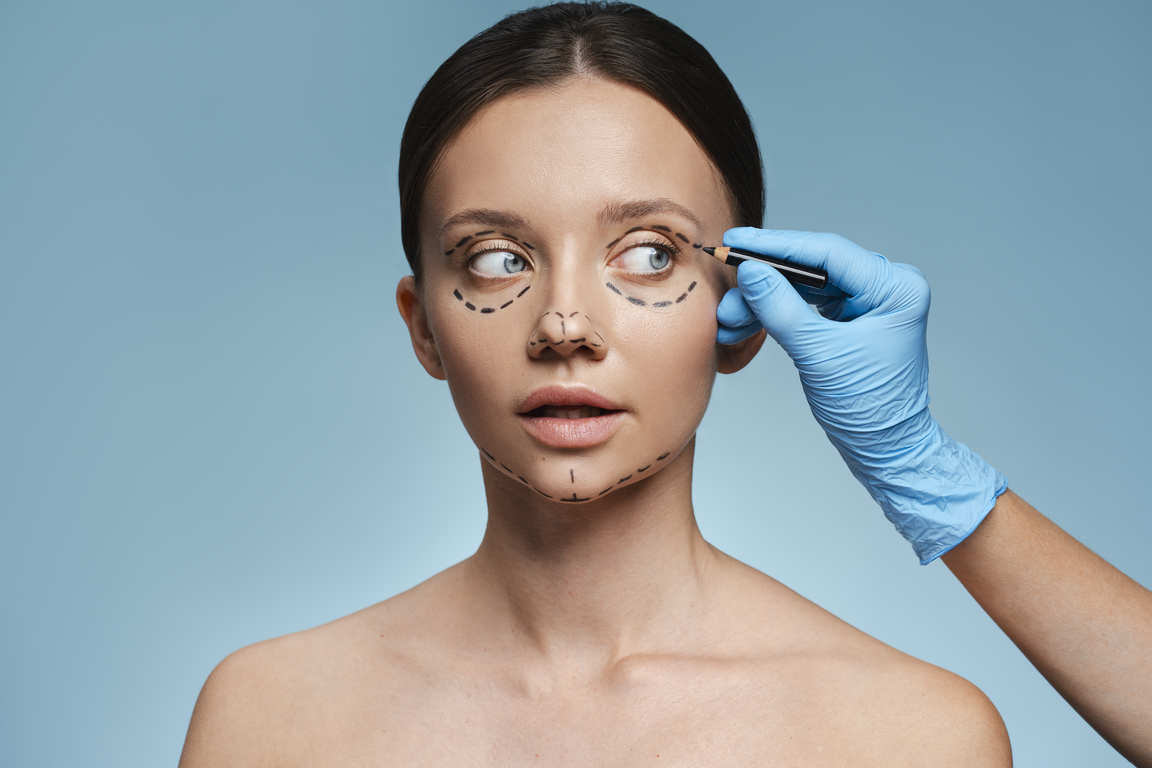
Patients often describe a refreshed appearance within a week: their gaze feels lighter, eyes look more open, and the shadowing from hooded eyes is reduced. Makeup sits better on the upper lids, and the overall look is less tired. This subtle transformation explains why so many opt for a brow lift with Botox rather than jumping immediately into surgery.
Side effects are rare but possible. An occasional eyebrow droop may occur if the toxin spreads too far into an unintended muscle. This typically resolves as the product wears off, but it reinforces the need for careful technique.
Ultimately, Botox results are highly individual. Two patients with similar hooded eyes can walk away with different outcomes, depending on anatomy, quality, and how their treated muscles respond to Botox.
For patients with hooded eyes, there isn’t one single solution. Instead, doctors use a toolkit of methods depending on how advanced the problem is:
For those who want to enhance or extend results, technology-based and supportive methods are added:
The key idea: there’s no war between methods. Whether it’s a brow lift or surgery, the right choice depends on anatomy, goals, and the degree of hooded eyes.
A common myth is that a single Botox brow lift or one round of Botox treatment will “fix” the problem forever. In reality, muscle activity returns as the effect wears off, usually in 3–4 months. That means:
By contrast, cosmetic eyelid surgery is often a one-time expense. It has higher upfront costs but can permanently remove saggy eyelids or correct eyelid drooping linked to too much excess tissue.
This is why surgeons stress the value of a physical examination: some patients are better served by non-invasive approaches like Botox, while others gain more from surgery. Ultimately, both methods are tools, and knowing which one fits your case saves time and money.
Every cosmetic procedure has its own risks, and eyelid treatments are no exception. While Botox is widely used, outcomes depend on anatomy, technique, and how muscles react.
In addition, persistent sagging skin or aged look cannot be resolved with Botox alone. In such cases, doctors may suggest combining a brow lift with surgery or non surgical procedures aimed at treating hooded eyes.
While a Botox brow lift can deliver impressive short-term improvements, long-term results come from a wider strategy. A single Botox treatment is rarely enough to maintain healthy eyes over the years. Instead, doctors emphasize a holistic approach.
The goal is not just to lift, but to improve skin quality so that any future procedures, whether another brow lift or surgery, deliver better outcomes. With proper maintenance treatments, patients often enjoy smoother contours and a more refreshed appearance for years.
Consistent hydration and medical-grade products keep eyelid skin resilient and slow the deepening of lines.
The thin upper eyelids are vulnerable to sun damage, which accelerates sagging and pigmentation. Daily SPF use is essential.
Therapies that stimulate collagen help preserve elasticity. This includes laser skin resurfacing, microneedling, or topical agents.
From dermal fillers to platelet-rich plasma, additional options address issues like volume loss or uneven tone.
Not all cases of hooded eyes are the same, and that is why personalization is critical.
The modern approach to eye rejuvenation is about choice, not hype. A brow lift using injectables can brighten the look in minutes, while surgery addresses deep structural issues of the upper lids and upper eyelids. Supporting therapies, from Botox for hooded eyes to dermal fillers, laser skin resurfacing, and maintenance procedures, all play their role.
What matters most is aligning the method with the patient’s unique needs. Prices vary — a Botox brow lift cost may seem low compared to surgery, but repeat sessions add up. For many, the real investment lies in a thoughtful combination: injecting Botox USA for small lifts, surgery for structural excess, and ongoing care to sustain long-term results.