
Free Shipping Over $750
|
Estimated Delivery Time 3-7 Days
- Clients Service: 778-806-4900

For people living with chronic migraines, finding a therapy that consistently reduces attacks can feel like a long process of trial and error. Among modern preventive approaches, Botox for migraine has become one of the most recognized options because it focuses on reducing the frequency of headaches rather than stopping an attack after it begins. Understanding how the treatment works, what reactions are expected, and what long-term evidence shows helps patients make informed decisions before starting therapy.
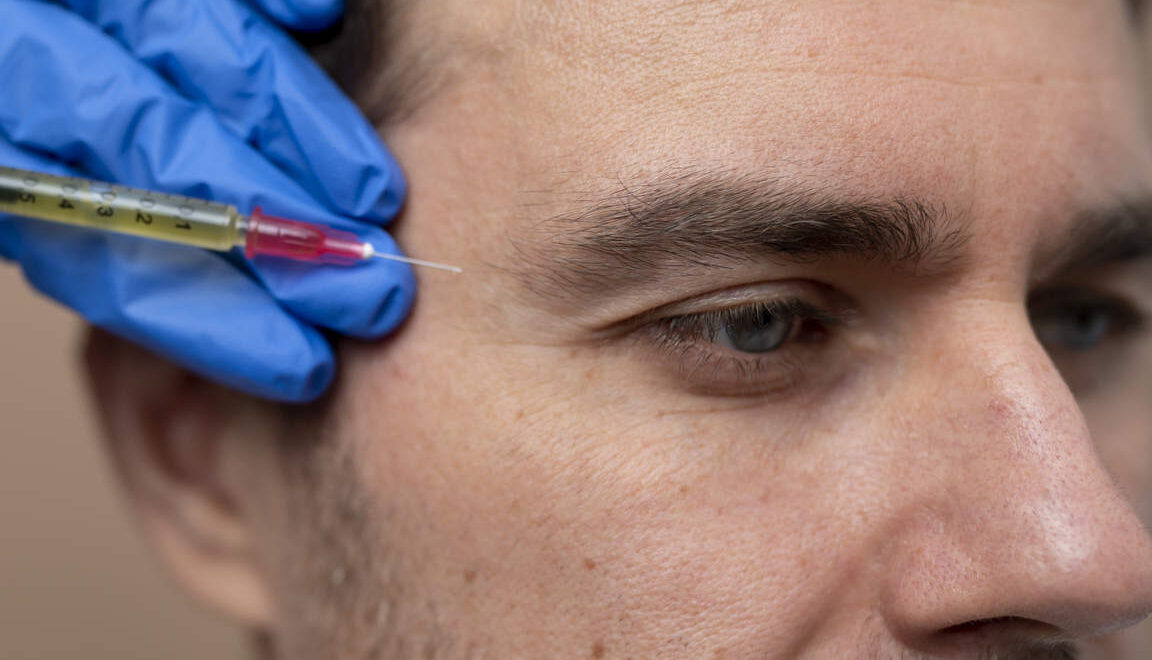
The active ingredient in treatment is botulinum toxin, a purified protein that temporarily blocks communication between certain nerves and muscles. Although many people associate it with cosmetic procedures for forehead wrinkles, its medical use is very different. During the procedure, small amounts are carefully injected into specific areas around the head, neck, and upper back according to standardized protocols.
Unlike pain-relieving medications, the goal is prevention. The medicine reduces the release of chemicals involved in pain signaling and decreases the sensitivity of nerve endings that contribute to chronic migraine activity. As a result, the nervous system becomes less reactive over time, lowering the likelihood of a migraine attack developing.
A typical treatment session involves multiple Botox injections across several muscle groups. Although the procedure may feel slightly uncomfortable, it usually takes less than twenty minutes, and patients can return to normal daily activities shortly afterward.
Many physicians recommend keeping a headache diary before and after treatment. Recording migraine symptoms, triggers, and the number of headache days makes it easier to evaluate whether therapy is providing a measurable benefit rather than relying on memory alone.
Botox is only one of several available migraine treatment options, and it is generally considered after frequent or chronic migraines have not responded well to standard preventive therapies. A neurologist or experienced headache specialist evaluates each patient’s history, previous therapies, and overall health before recommending treatment. Several factors influence whether someone is an appropriate candidate:
Treatment follows a regular schedule rather than being performed whenever headaches appear. The standard treatment frequency is approximately once every 12 weeks, allowing Botox to maintain its preventive effect without excessive exposure.
Some individuals notice improvement after the first session, while others require two or three treatment cycles before meaningful changes become apparent. Research suggests that consistent treatment over a few years may provide sustained control for appropriately selected patients, although individual responses naturally vary.
Like any medical procedure, Botox therapy carries possible complications. Fortunately, most people experience only mild reactions that resolve without additional treatment: severe worsening of migraine requiring hospitalization occurred in 1% of patients. The effects of Botox usually remain localized because the medication is administered in carefully measured doses.
Common reactions are:
Symptoms generally occur during the first several days after the Botox injection and improve without intervention. Some patients have reported mild fatigue or temporary nausea, while others notice slight discomfort when moving their head. Sometimes Botox can cause swallowing or breathing difficulties in some patients. To reduce the chance of toxin spread, patients are generally advised to avoid rubbing or massaging the injection sites for at least 24 hours after the procedure. Following simple aftercare instructions may help minimize unwanted muscle effects and support predictable treatment results.
Although uncommon, doctors remain alert for more significant Botox side effects. Rare complications may involve excessive muscle relaxation that affects nearby structures, creating temporary functional problems. This possibility explains why injections should always be performed by trained medical professionals rather than plastic surgeons whose primary practice focuses only on cosmetic procedures.
Before beginning therapy, patients should carefully discuss their complete medical history with their healthcare provider. Understanding contraindications helps reduce avoidable complications and ensures treatment is appropriate for the individual.
Crucial considerations include:
Manufacturers also provide a boxed warning describing the rare possibility that Botox could spread beyond the injection area. Although this complication is extremely unusual when migraine dosing guidelines are followed, patients should understand the information before agreeing to treatment. Healthcare facilities that buy Botox from authorized medical distributors help ensure product authenticity, appropriate storage conditions, and full compliance with manufacturer recommendations. Using verified products is an important part of maintaining treatment quality and patient safety.
Anyone experiencing difficulty swallowing, breathing problems, or unexpected muscle weakness should seek immediate medical evaluation because these symptoms can become severe enough to require hospitalization, even though such outcomes remain very rare.
Large clinical trials and years of real-world use have supported the overall safety profile of migraine Botox when administered correctly. During every next appointment, physicians review treatment response, adjust injection patterns if necessary, and monitor for any changes involving the body, facial muscles, or even unexpected concerns such as changes affecting the hair, although these are not considered typical effects.
In addition to reviewing progress, patients should mention any new illnesses, medications, or symptoms that have developed since the previous visit because these details may influence future treatment decisions.
Botox has become an approved preventive therapy for chronic migraine because substantial research supports both its effectiveness and long-term safety when used appropriately. While every medical treatment carries risks, careful patient selection, proper injection technique, and ongoing monitoring significantly reduce complications. Reading the important safety information, maintaining open communication with your healthcare provider, and following the recommended treatment schedule allow patients to make informed decisions about whether this preventive approach fits their long-term migraine management plan.
They are injected into specific muscle areas to reduce pain signaling and lower migraine frequency over time.
Yes. It is approved for chronic migraine prevention, and long-term studies have shown a favorable safety profile when administered correctly.
Your doctor should evaluate your full medical history because using botulinum for multiple conditions may affect your appointment planning and dosing schedule.
The warning describes a rare possibility of the medication spreading beyond the injection site, although severe complications are uncommon when proper protocols are followed.
Many people begin seeing a benefit after several weeks, though some require additional therapy cycles before experiencing significant improvement.
Yes. Many patients notice fewer headache days, and Botox for migraine is designed to help prevent attacks before they start.
The most commonly reported side effects are mild soreness, short-term stiffness, or tenderness around the treated area, and they usually remain limited to the body regions where Botox was administered.